

SMV in garment manufacturing: what it is and how it is set
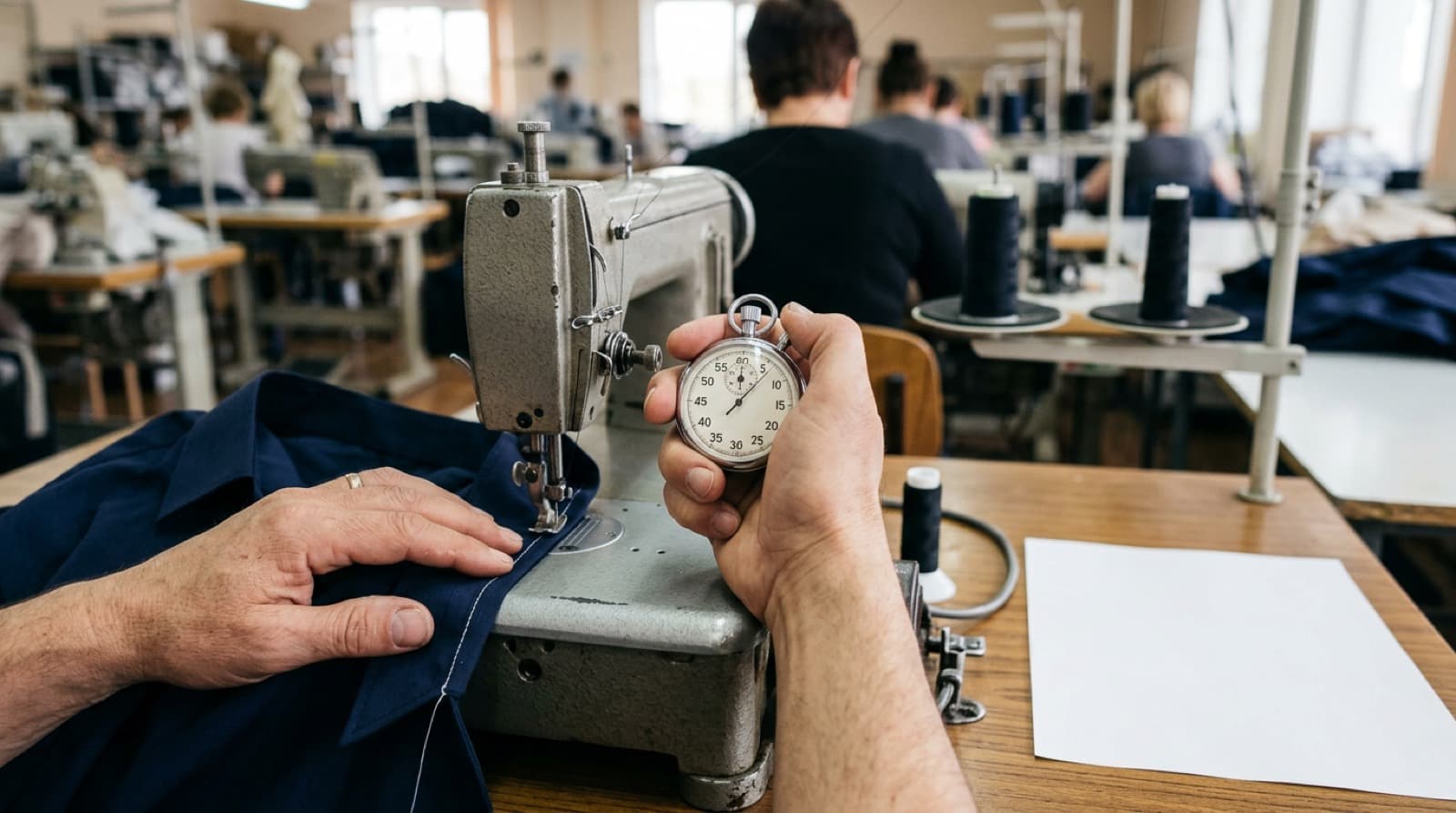
SMV, the standard minute value, is the time a trained operator working at a normal pace needs for one operation or one whole garment, with allowances for rest and small delays included. Add up a garment's operations and you have its SMV: the number behind line targets, efficiency and the cost of making.
Myth or fact?
Myth: SMV is how long the fastest operator takes.
Fact: SMV is set at a normal, sustainable pace, then given allowances. A fast operator beats it; a new one takes longer. It describes the work, not a person.
Myth: A garment with a lower SMV is always cheaper to make.
Fact: The cost of making is SMV divided by the efficiency the line reaches, times the cost of a minute. A simple garment on an unfamiliar line can cost more than a harder one on a line that knows it.
Myth: A style's SMV is fixed once it is set.
Fact: Change the method, a machine attachment, the fabric or the stitch, and the minutes change. Engineers set SMV for a style and a method, and revisit it when either changes.
1. From operations to minutes
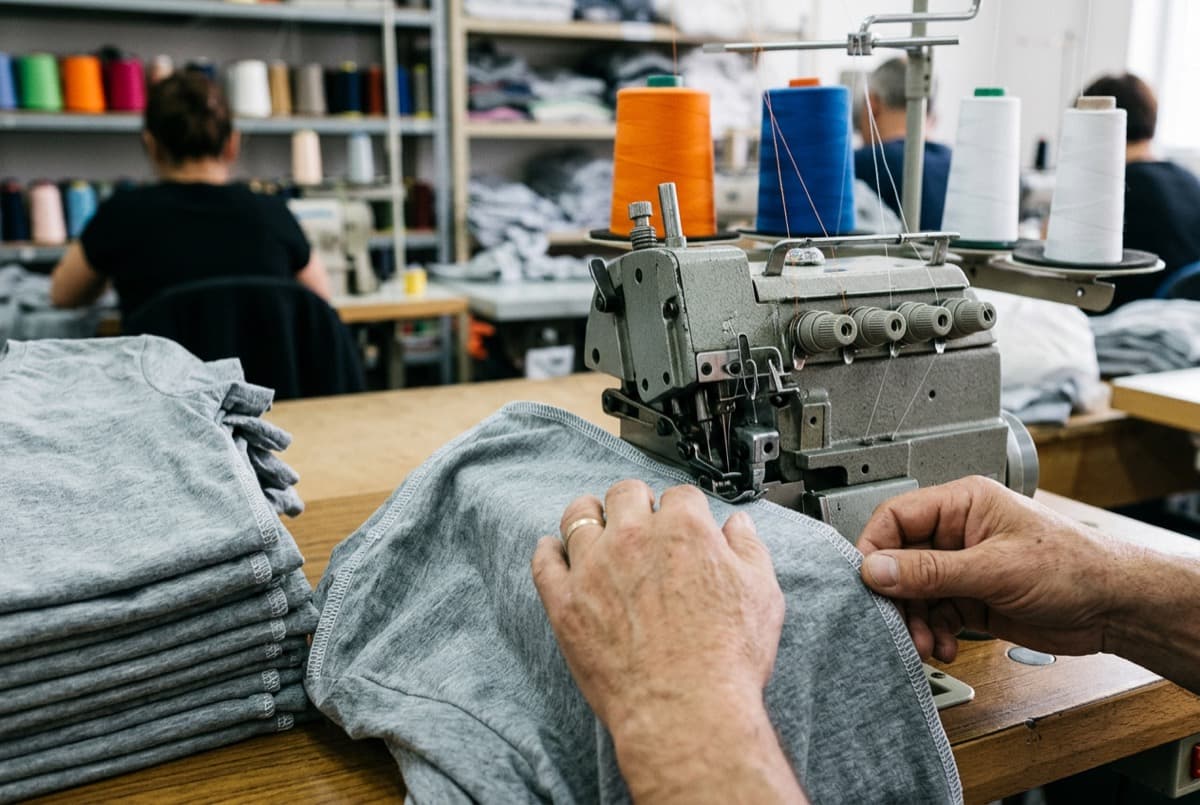
A garment is broken into operations: join shoulders, attach collar, set sleeves, close side seams, hem. Each is listed with its machine type and its standard minutes in an operation bulletin, and the bulletin's total is the garment's SMV.
As rough guides, a basic T-shirt often falls around 5 to 8 minutes, five-pocket jeans around 12 to 20, and a formal shirt around 15 to 25. The detail decides where in the range a style sits: pockets, plackets, top-stitching and washes all add minutes.
2. Time study, rating and allowances
One way to set minutes is a time study: an engineer times an operation over many cycles, then rates the operator's pace against a normal pace. An observed 30 seconds at a 90 percent rating gives a basic time of 27 seconds.
Allowances are then added for personal needs, fatigue and small unavoidable delays, often 10 to 20 percent together. Basic time plus allowances is the standard time. Many factories instead build minutes from predetermined time systems, which assign standard times to each motion of the work.
- Observed time, timed over many cycles
- Rating against a normal pace
- Allowances for rest, fatigue and delays
- Standard time = basic time + allowances
3. What SMV is used for
Targets: a line's hourly target is its operators times 60 minutes times its expected efficiency, divided by the SMV. Thirty operators on a 15-minute garment at 60 percent efficiency should make about 72 pieces an hour.
Efficiency: pieces made times SMV, divided by operators times minutes worked. Cost: SMV divided by efficiency, times the factory's cost per minute, gives the cost of making a garment.
4. Balancing the line
Divide the SMV by the number of operators and you get the pitch time, the work each operator should carry for the line to flow. Operations are grouped so no one carries much more than that; the operator with the most work sets the pace for everyone, which is why balancing matters as much as the total.
The words, in plain terms
- SMV
- Standard minute value: the time for an operation or a garment at a normal pace, allowances included. Also called SAM, standard allowed minutes.
- Operation bulletin
- The list of a garment's operations with machine types and standard minutes; its total is the SMV.
- Rating
- The observer's judgement of an operator's pace against a normal pace, used to turn observed time into basic time.
- Allowances
- Extra time added for personal needs, fatigue and small unavoidable delays.
- Pitch time
- SMV divided by the number of operators: the work each should carry in a balanced line.
Work it out, free
On WOVENN
MAKEX
The factory's own system: orders from every buyer, cutting, the lines, quality, finishing and packing.
See MAKEXKeep reading
Garment manufacturing · Wovens · Costing
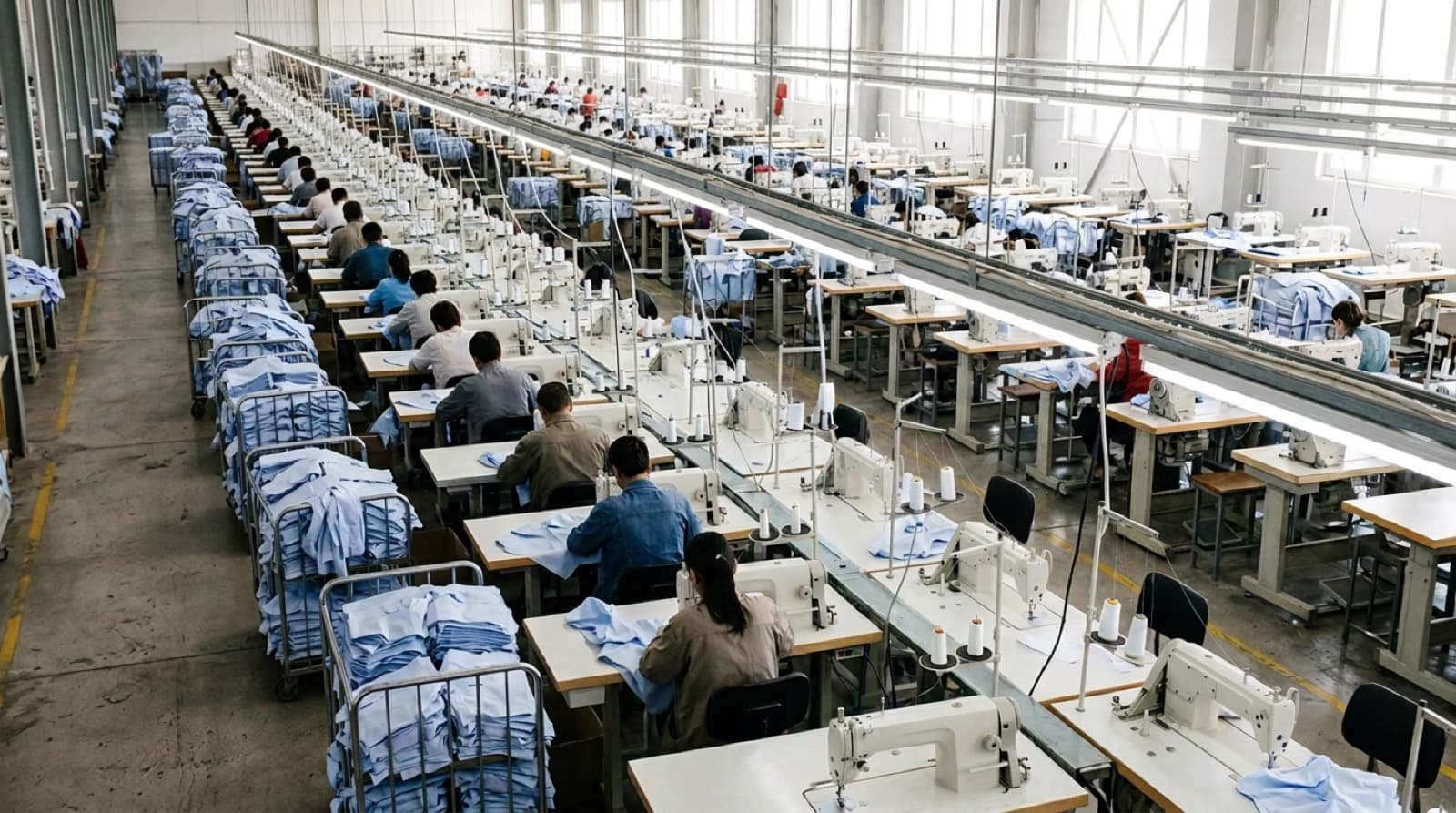
How a woven garment factory really works
From fabric inspection and cutting to sewing lines, finishing and the final audit: how shirts and trousers are made, and three myths about factory speed.
7 min read · 3 myths bustedRead
Garment manufacturing · Knits · Fabric and mills
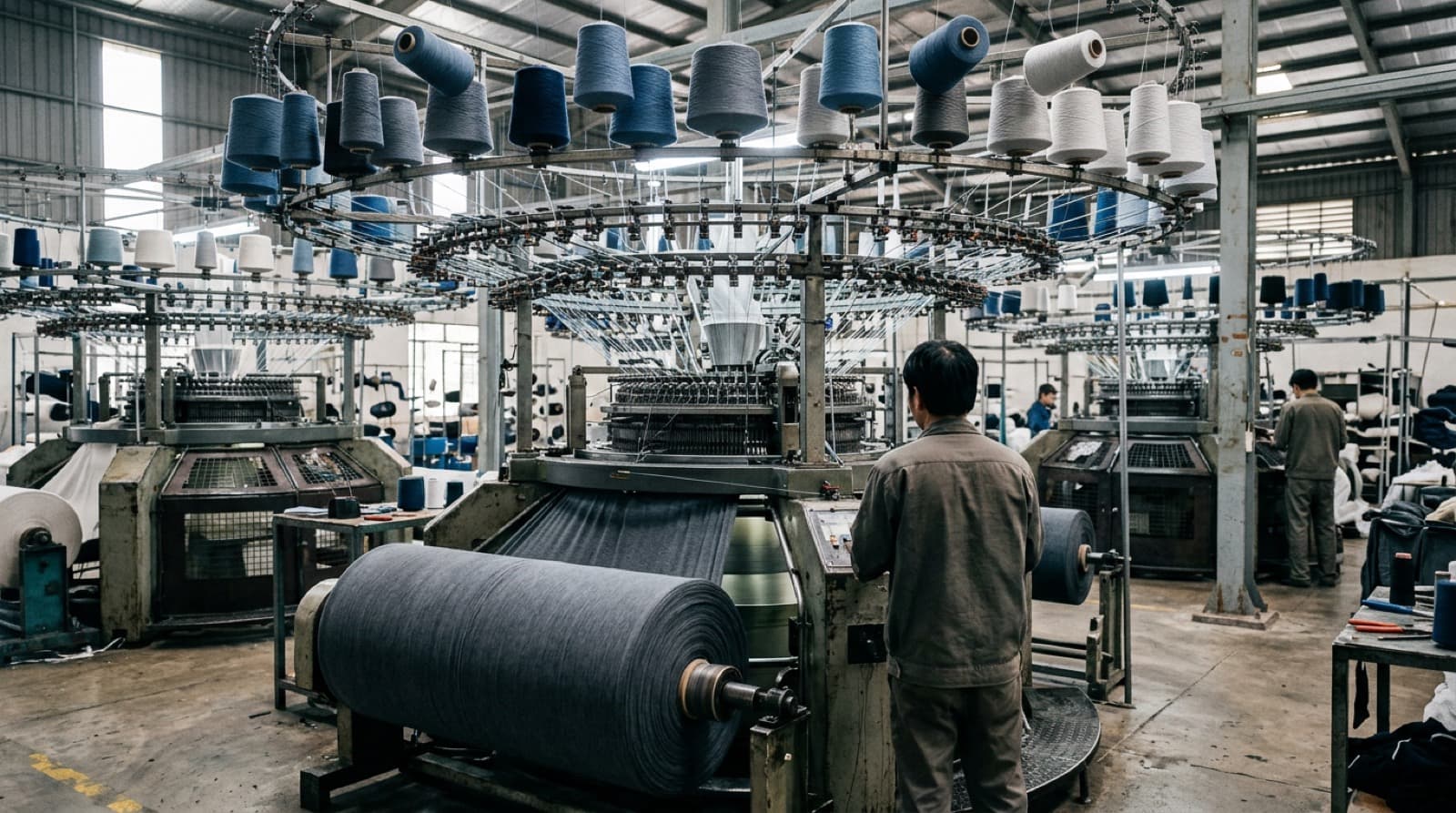
How knit garments are made, from yarn to t-shirt
Circular knitting, dyeing, compacting, cutting and overlock sewing: how t-shirts, polos and sweatshirts are made, and why shrinkage and GSM are misunderstood.
7 min read · 3 myths bustedRead
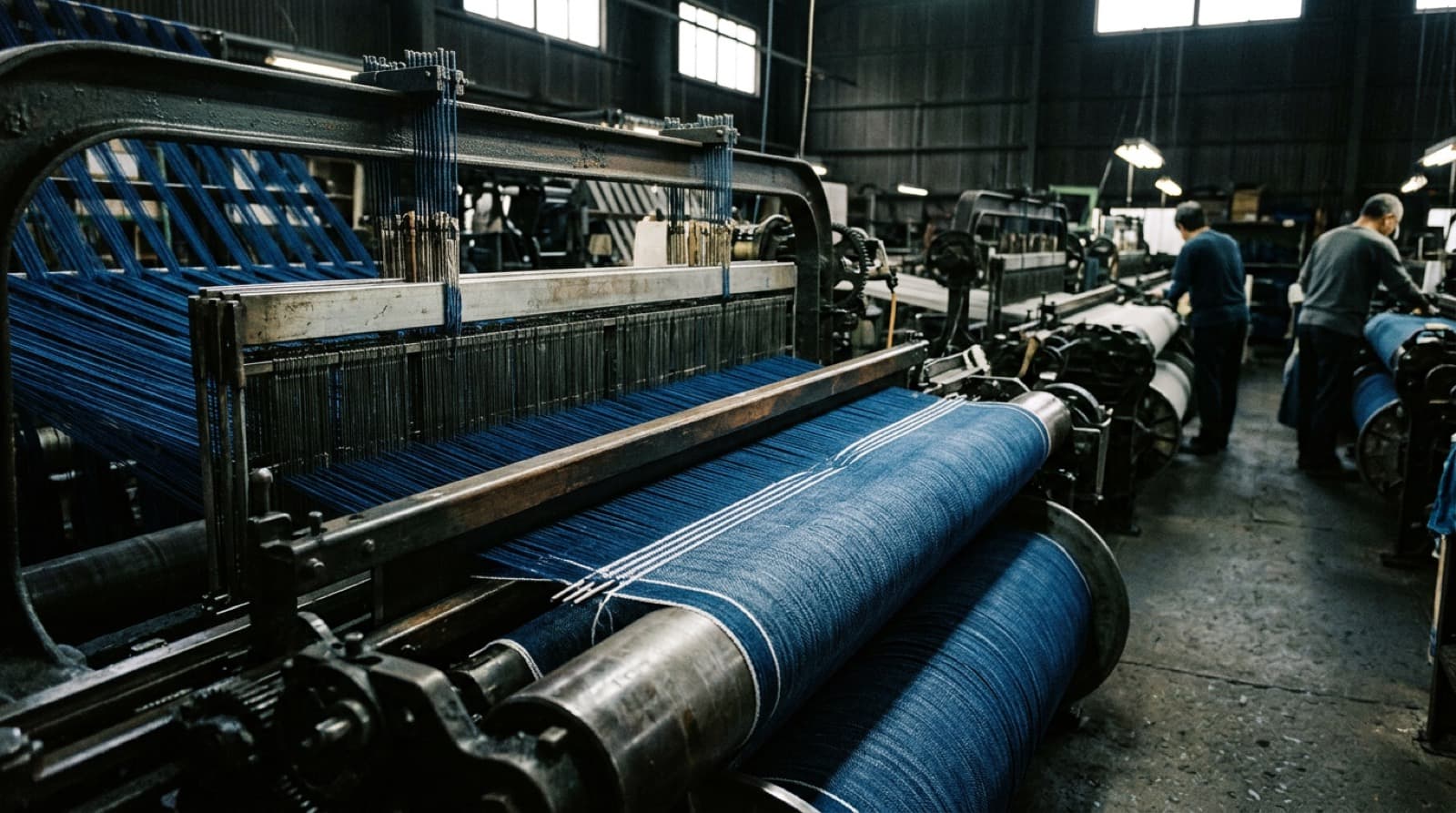
Denim · Garment manufacturing · Fabric and mills
How denim jeans are made: indigo, twill and the wash
Why indigo fades, what 3x1 twill and sanforizing mean, how jeans are sewn and washed, and the truth about stonewash, selvedge and raw denim.
8 min read · 3 myths bustedRead