

How knit garments are made, from yarn to t-shirt
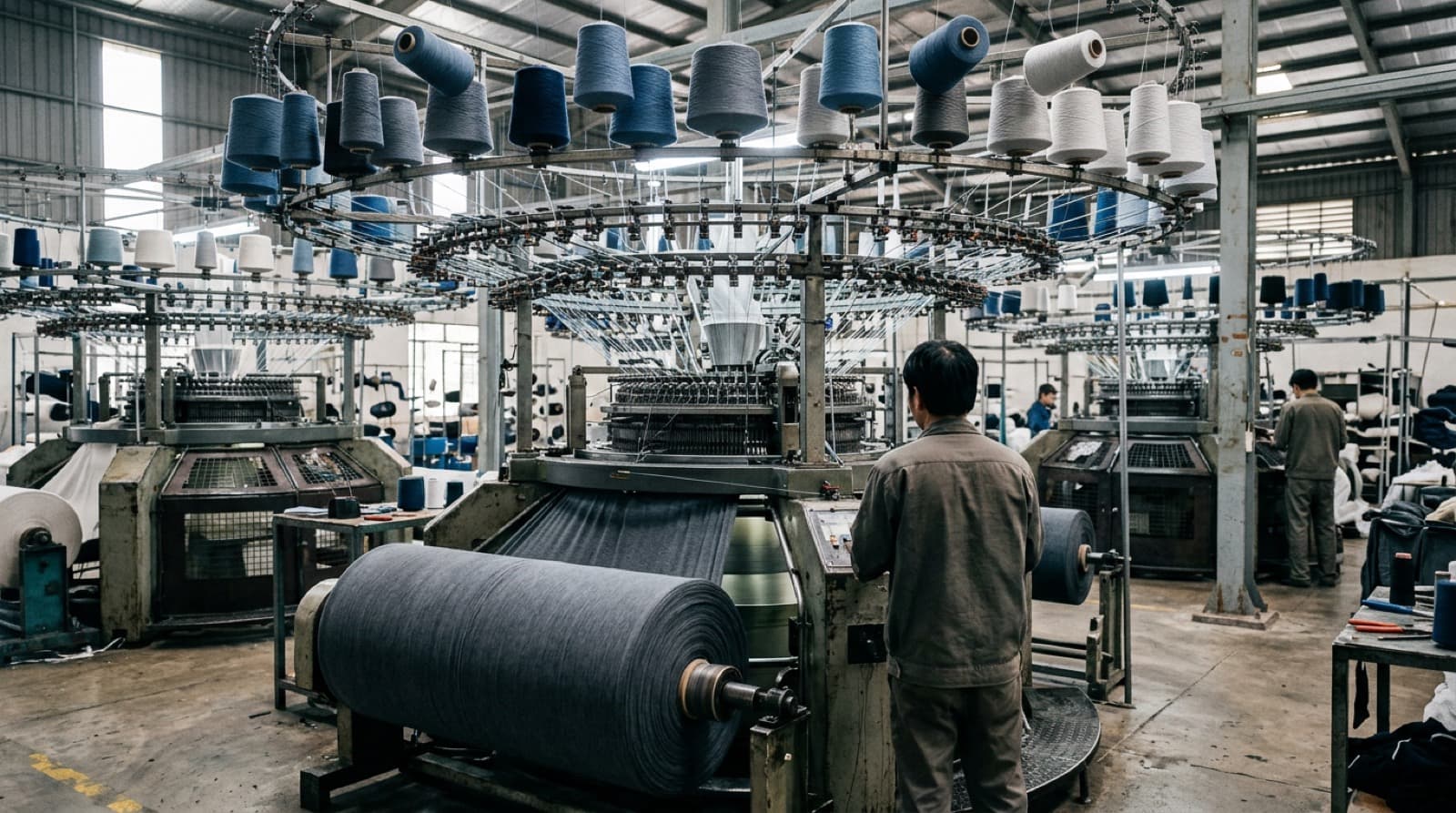
A knit garment, such as a t-shirt, polo or sweatshirt, starts as yarn knitted into a tube on a circular machine. The fabric is dyed and finished, cut, and sewn with stretchy stitches. Most of what makes a good t-shirt is decided in the yarn and the finishing, long before sewing.
Myth or fact?
Myth: T-shirts are simple, so making them costs almost nothing.
Fact: The sewing is short, but fabric is often more than half of a basic knit's cost, and the yarn sets most of the fabric's price. A small change in yarn price moves the garment's cost more than any saving on the line.
Myth: A higher GSM means a better t-shirt.
Fact: GSM is weight per square metre, not quality. A lighter fabric of fine combed or compact yarn, knitted tight and well finished, can wear better than a heavy one of coarse yarn.
Myth: Shrinkage is a defect in the fabric.
Fact: All cotton knits shrink when washed. It is controlled by relaxing, compacting and testing the fabric before cutting, and buyers set a limit, commonly a few percent in length and width after washing.
1. Yarn and knitting
Knitting starts with yarn, described by its count: the finer the yarn, the higher its count. Combed and compact yarns are smoother and stronger than carded ones, and cost more.
Circular knitting machines loop the yarn into a continuous tube. Single jersey (the classic t-shirt) is one set of needles; rib and interlock use two, for collars, cuffs and firmer bodies; piqué gives a polo its texture, and fleece is knitted with a looped back that is brushed soft. The knitted, undyed fabric is called greige.
2. Dyeing and finishing
Greige fabric is scoured, bleached and dyed in large jet or soft-flow machines, then finished. Finishing is where the fabric's behaviour is set: it is dried, opened or kept as a tube, stretched to width on a stenter, and compacted so it shrinks less later. Brushing or peaching gives a softer hand.
The mill then checks the result against the order: weight (GSM), width, shade against the approved lab dip, shrinkage after a wash test, and spirality, the twist that makes side seams wander on single jersey.
3. Cutting knits
Knitted fabric stretches, so it is laid on the cutting table and left to relax before it is cut, or pieces grow and shrink after cutting. Many t-shirts are cut from tubular fabric with no side seams at all. Markers for knits are often tighter than for wovens, because there are no stripes to match on most basics.
4. Sewing with stitches that stretch
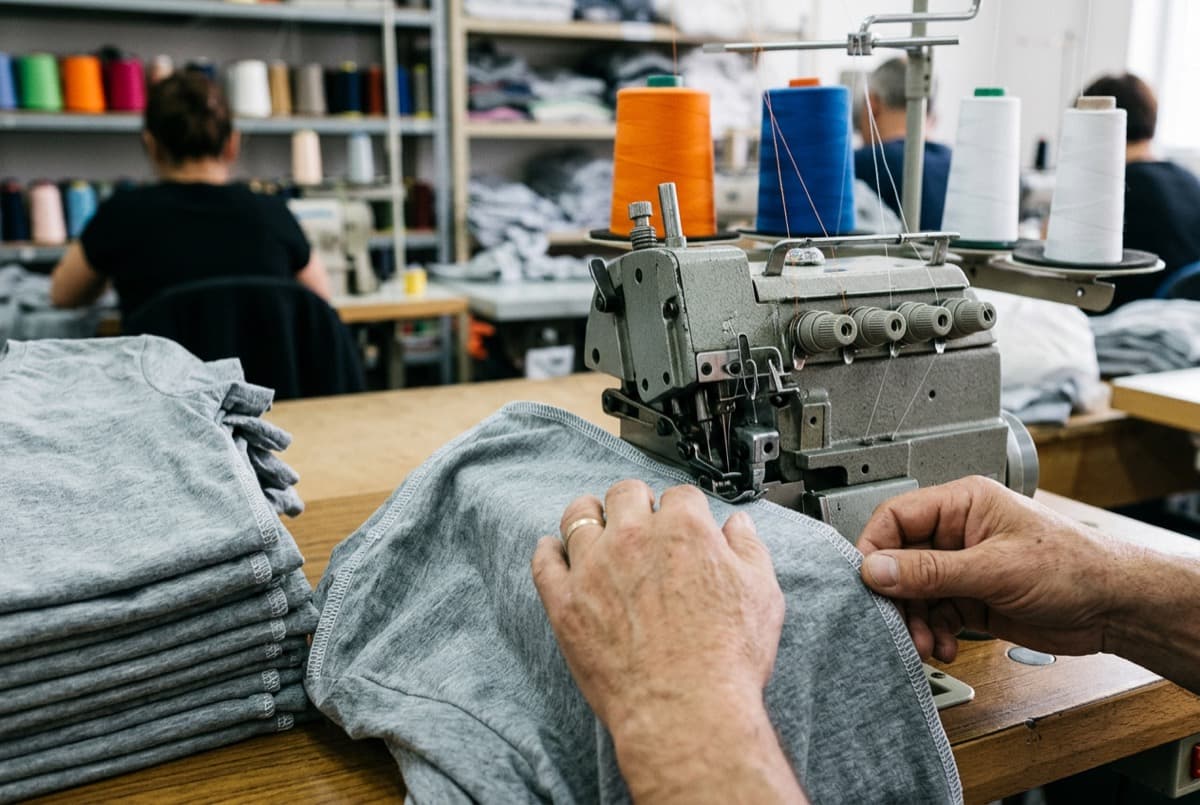
Knits are sewn on machines whose stitches stretch with the fabric. An overlock joins and finishes the seam in one pass; a flatlock makes a flat seam for sportswear; a coverstitch hems the sleeves and body. A basic t-shirt has only a handful of operations, which is why line balance and the learning curve matter so much: a few seconds lost on each is a large share of the total.
- Overlock for side and shoulder seams
- Coverstitch for hems
- Flatlock for flat sportswear seams
- Rib collars attached and topstitched
5. Prints, embroidery and finishing
Prints and embroidery are usually done on cut panels before sewing, so a fault spoils a panel, not a garment. After sewing, garments are trimmed, checked, pressed, folded and packed. Many knits are also tested for colour fastness, pilling and shrinkage before the order ships.
The words, in plain terms
- GSM
- Grams per square metre: how heavy a fabric is for its area. 140 to 180 GSM is a common range for t-shirt jersey.
- Single jersey
- The plain knitted fabric of most t-shirts, smooth on the face and looped on the back.
- Compacting
- A finishing step that pre-shrinks knitted fabric so garments shrink less in the wash.
- Spirality
- The twist in single jersey that makes side seams turn towards the front after washing.
- Greige
- Fabric as it comes off the knitting machine or loom, before dyeing and finishing.
Work it out, free
On WOVENN
MAKEX
From the fabric store to packing, every section scanned, with cutting, quality and the line board on one record.
See MAKEXKeep reading
Denim · Garment manufacturing · Fabric and mills
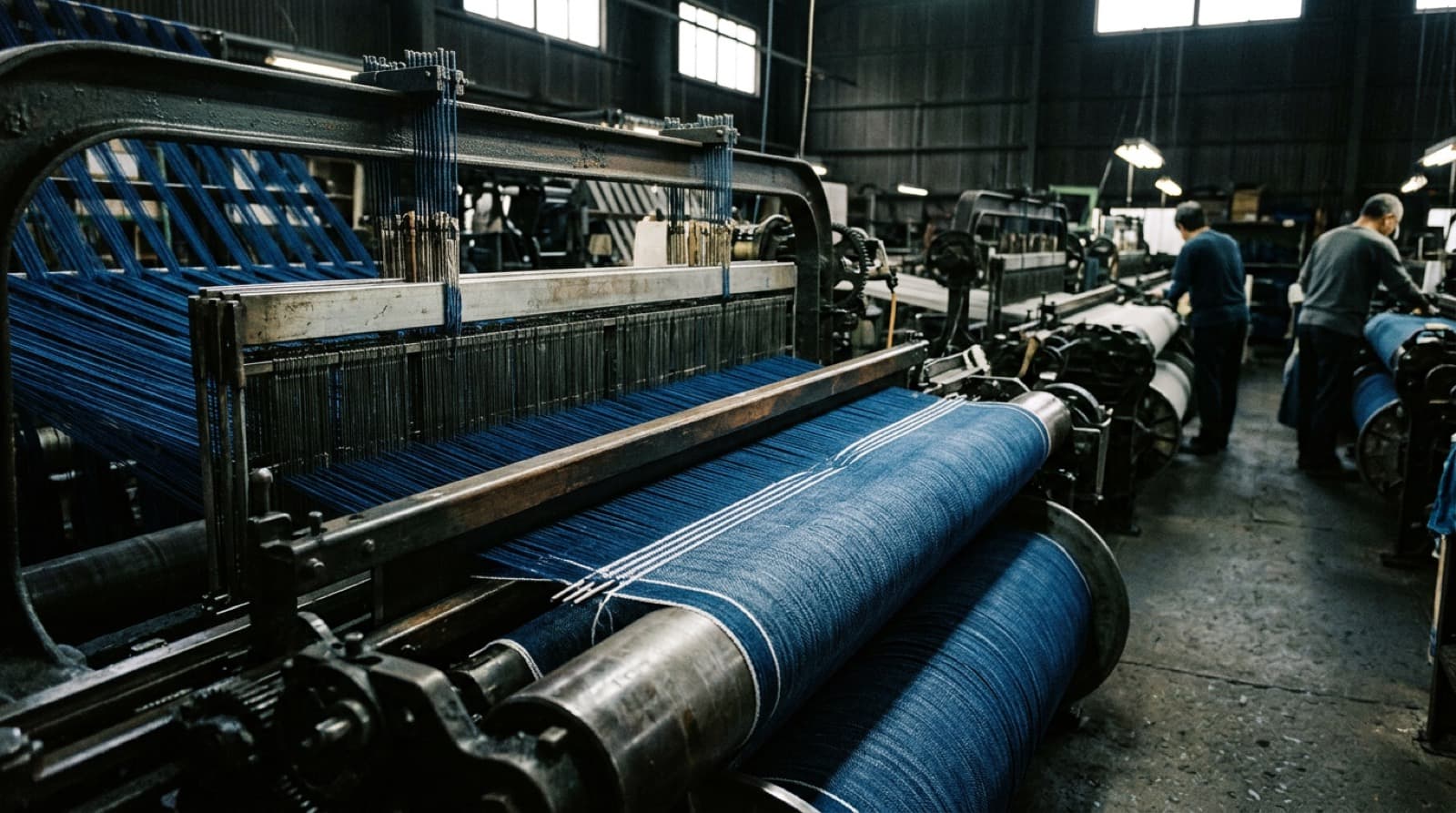
How denim jeans are made: indigo, twill and the wash
Why indigo fades, what 3x1 twill and sanforizing mean, how jeans are sewn and washed, and the truth about stonewash, selvedge and raw denim.
8 min read · 3 myths bustedRead
Garment manufacturing · Wovens · Costing
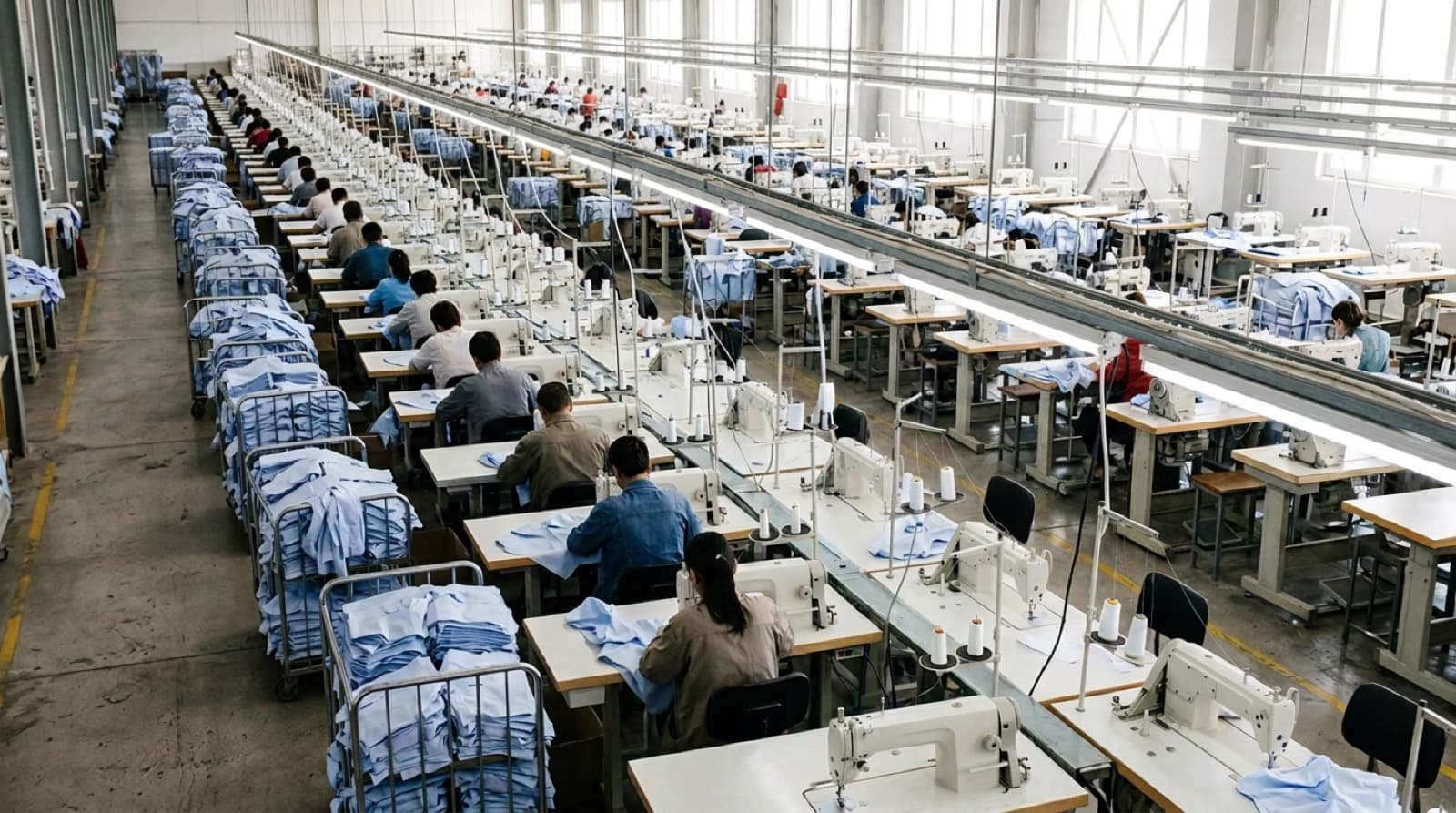
How a woven garment factory really works
From fabric inspection and cutting to sewing lines, finishing and the final audit: how shirts and trousers are made, and three myths about factory speed.
7 min read · 3 myths bustedRead
Fabric and mills · Wovens · Quality
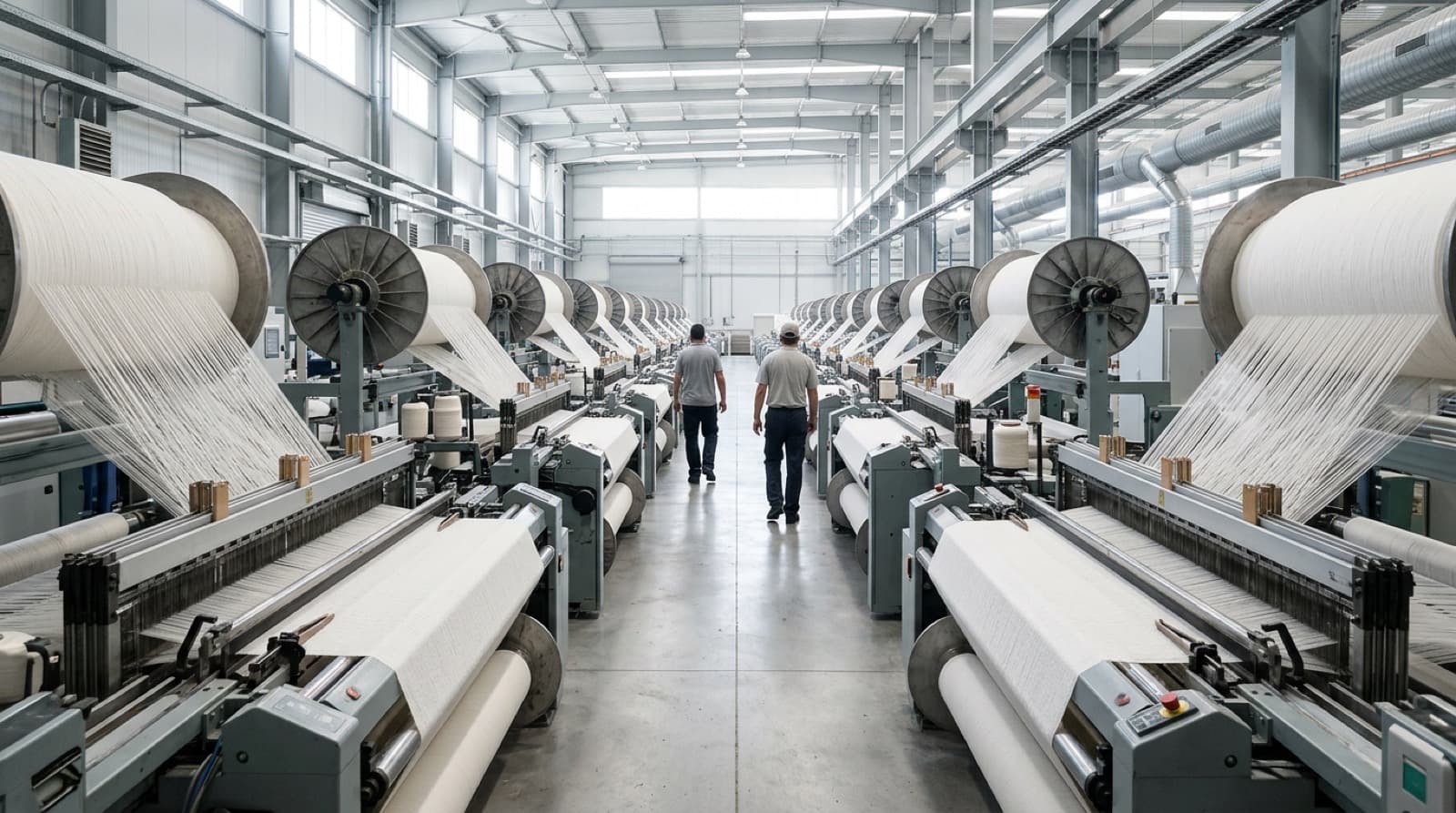
How fabric mills work: spinning, weaving, dyeing and finishing
Spinning, weaving, knitting, dyeing and finishing, lab dips and four-point inspection: how mills make fabric, and why minimums and shade bands exist.
8 min read · 3 myths bustedRead