
How fabric mills work: spinning, weaving, dyeing and finishing
A fabric mill turns fibre into fabric in three stages: yarn, fabric and finish. Spinners make yarn, weavers or knitters make greige fabric, and processors dye, print and finish it. Most of what a buyer approves, the colour, the hand and the shrinkage, is decided in that last stage.
Myth or fact?
Myth: Once the lab dip is approved, bulk will match exactly.
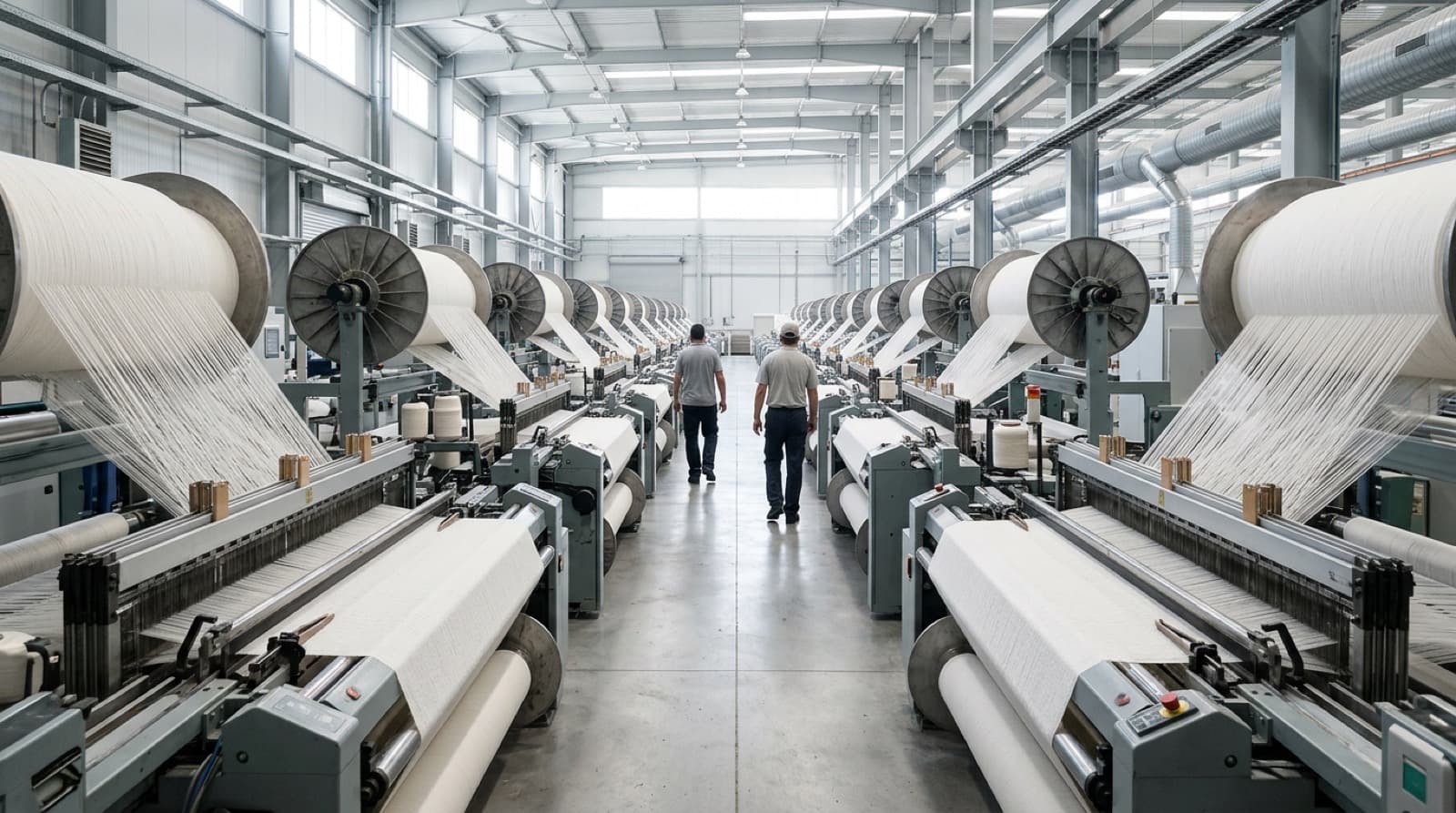
Fact: A lab dip is a small sample dyed in a lab. Bulk is dyed in batches of hundreds of kilos, and each batch varies a little. Mills sort rolls into shade bands and send continuity cards so garments are never cut from mixed shades.
Myth: Mill minimums are set to sell you more fabric.
Fact: A loom is set up with a warp thousands of metres long, and a dyeing machine needs a minimum load to dye evenly. Small orders cost the same set-up as large ones, which is why mills set minimums or charge a surcharge below them.
Myth: The heavier the fabric, the better it is.
Fact: Weight says how much fibre is in a square metre, not how good it is. Yarn quality, construction and finishing decide how a fabric feels, wears and washes.
1. Spinning: fibre to yarn
Cotton, polyester, viscose or blends are opened, cleaned, carded into a web, often combed to remove short fibres, drawn into a sliver and spun. Ring spinning gives a strong, smooth yarn; rotor or open-end spinning is faster and gives a fuller, slightly rougher yarn. A yarn's count says how fine it is.
2. Weaving and knitting: yarn to greige
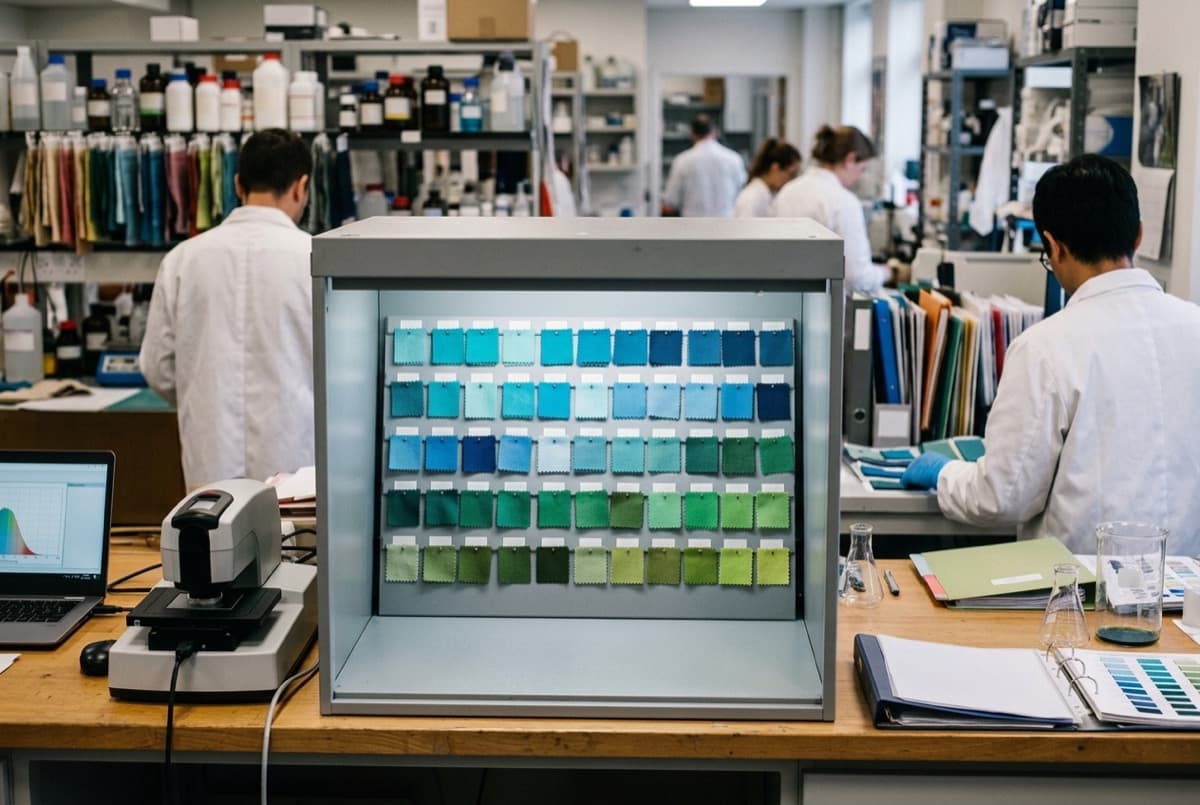
For woven fabric, thousands of warp yarns are wound onto a beam, sized with starch so they survive the loom, and threaded one by one through the loom's heddles. Air-jet, rapier and projectile looms then insert the weft at high speed. The weave, plain, twill or satin, and the number of yarns per inch in each direction, decide how the fabric looks and behaves.
Knitted fabric comes from circular or flat knitting machines, which loop a single yarn instead of crossing two sets. Either way, the fabric that comes off the machine is greige: undyed and unfinished.
3. Colour: yarn-dyed, piece-dyed or printed
Stripes and checks are woven from yarns dyed before weaving: yarn-dyed. Solid colours are usually dyed as fabric: piece-dyed. Prints are applied by rotary screens or, increasingly, digital printers, which suit short runs. Some garments are even dyed after sewing, for a softer, lived-in colour.
4. Development: lab dips and strike-offs
Before bulk, the mill dyes small lab dips to match the buyer's colour standard, and the buyer approves one under the light sources they name, often daylight and a store light. Prints are approved from strike-offs, and yarn-dyed patterns from a hand loom or a blanket of colour options.
5. Finishing and inspection
Finishing turns greige into the fabric a buyer ordered: singeing burns off surface fibres, desizing and scouring clean it, mercerizing adds lustre and strength to cotton, and sanforizing, compacting, brushing, softening or coatings set its hand and behaviour.
Before shipping, rolls are inspected by the four-point system. A common acceptance limit is around 40 points per 100 square yards, though each buyer sets its own. Rolls are also tested for shrinkage, colour fastness and weight, and shaded into bands.
The words, in plain terms
- Lab dip
- A small fabric sample dyed to match a colour standard, approved before bulk dyeing.
- Shade band
- A set of swatches showing the range of shades in a dyed lot, so garment makers keep similar rolls together.
- Yarn-dyed
- Fabric woven from yarns dyed before weaving, as in stripes, checks and chambray.
- Greige
- Fabric straight off the loom or knitting machine, before dyeing and finishing.
- Strike-off
- A short trial print on the bulk fabric, approved before the print run.
Work it out, free
On WOVENN
FABRIX
A market for fabric, yarn and trims from approved sellers, with sample and bulk prices.
See FABRIXKeep reading
Garment manufacturing · Wovens · Costing
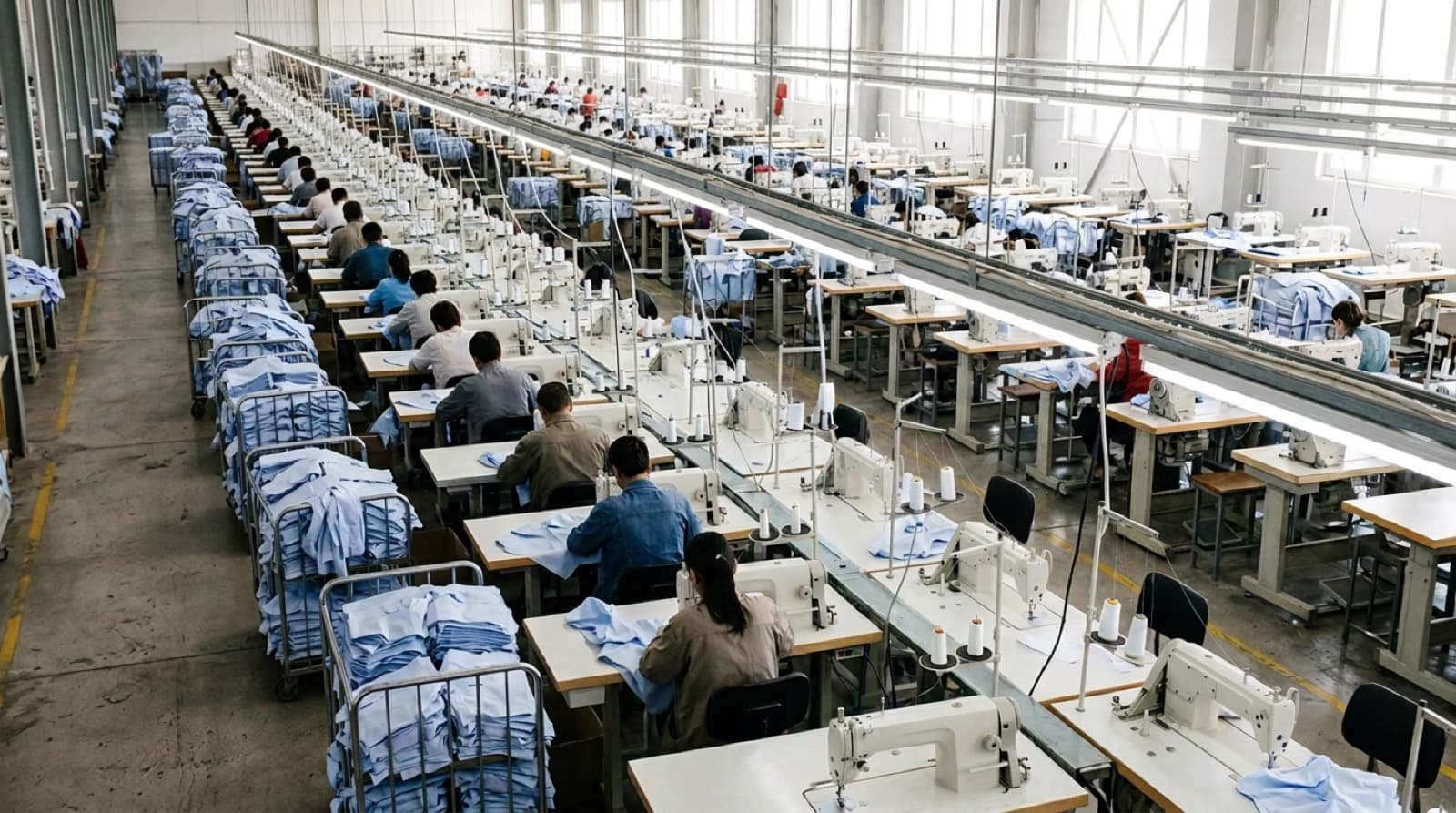
How a woven garment factory really works
From fabric inspection and cutting to sewing lines, finishing and the final audit: how shirts and trousers are made, and three myths about factory speed.
7 min read · 3 myths bustedRead
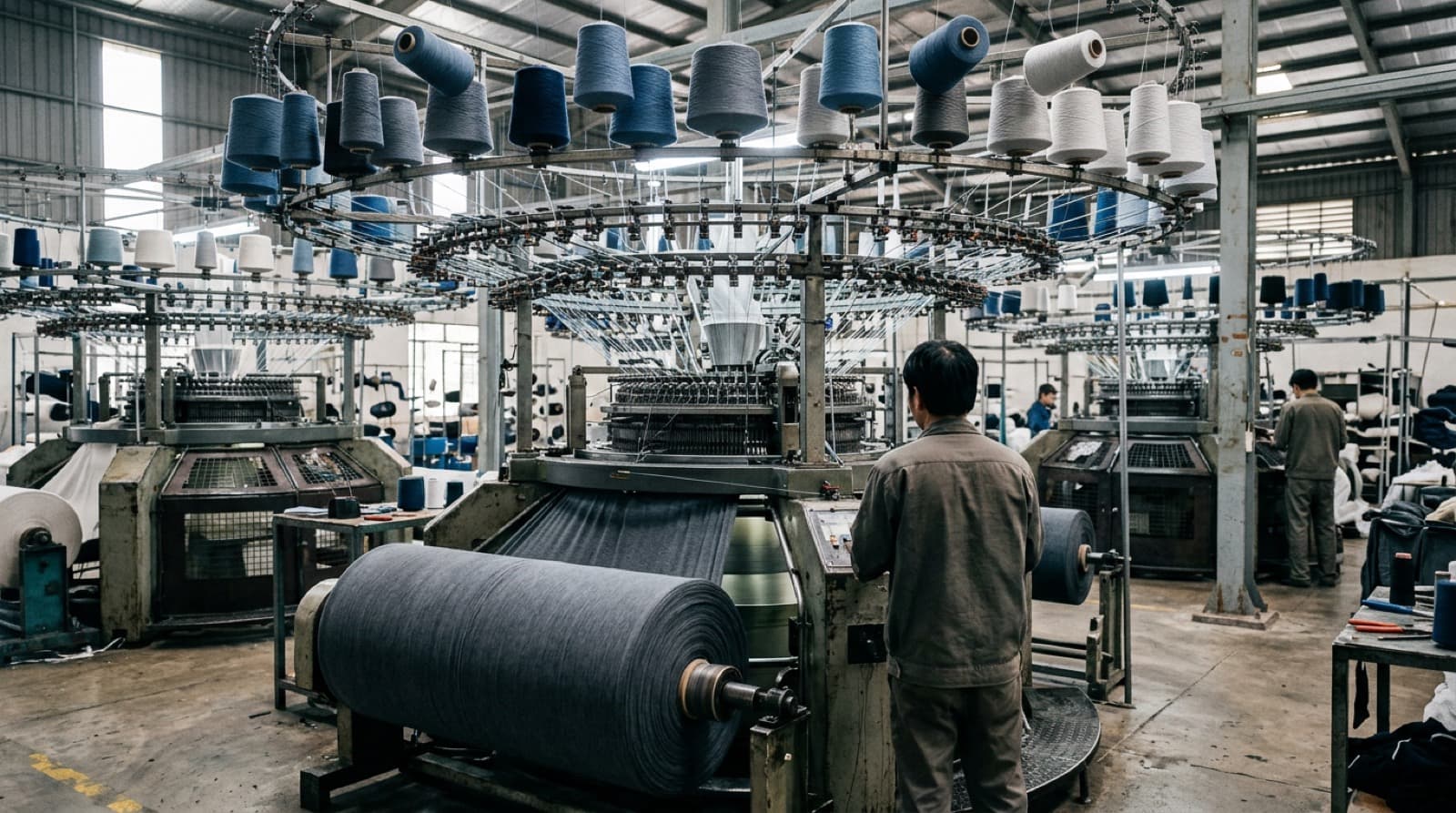
Garment manufacturing · Knits · Fabric and mills
How knit garments are made, from yarn to t-shirt
Circular knitting, dyeing, compacting, cutting and overlock sewing: how t-shirts, polos and sweatshirts are made, and why shrinkage and GSM are misunderstood.
7 min read · 3 myths bustedRead
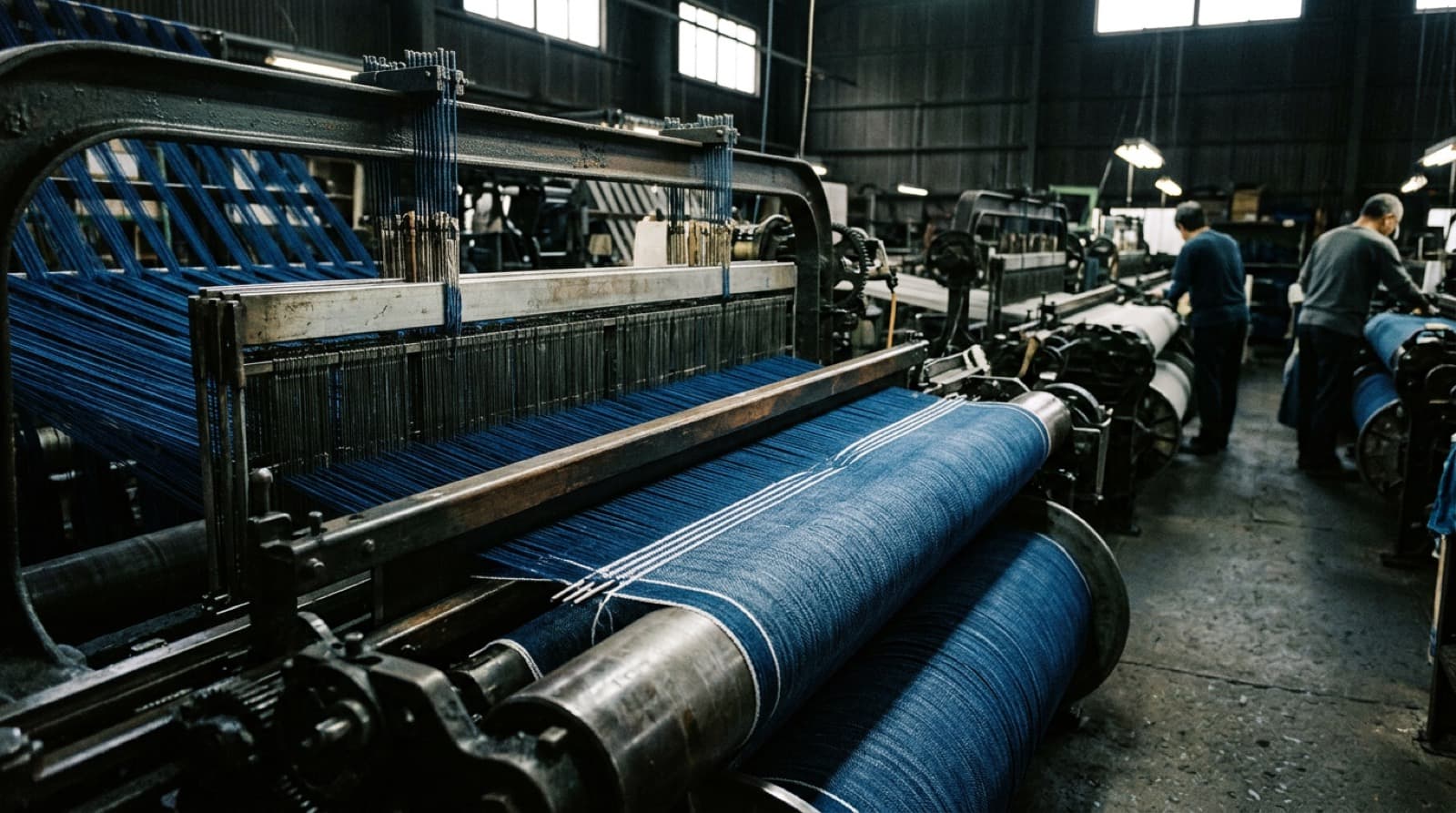
Denim · Garment manufacturing · Fabric and mills
How denim jeans are made: indigo, twill and the wash
Why indigo fades, what 3x1 twill and sanforizing mean, how jeans are sewn and washed, and the truth about stonewash, selvedge and raw denim.
8 min read · 3 myths bustedRead