

Line efficiency in garment factories: the formula and realistic targets
Line efficiency compares the standard minutes a line produced with the minutes its operators were paid to work: pieces made times SMV, divided by operators times minutes worked. 1,200 pieces of a 12-minute garment from 40 operators in an 8-hour day is 75 percent.
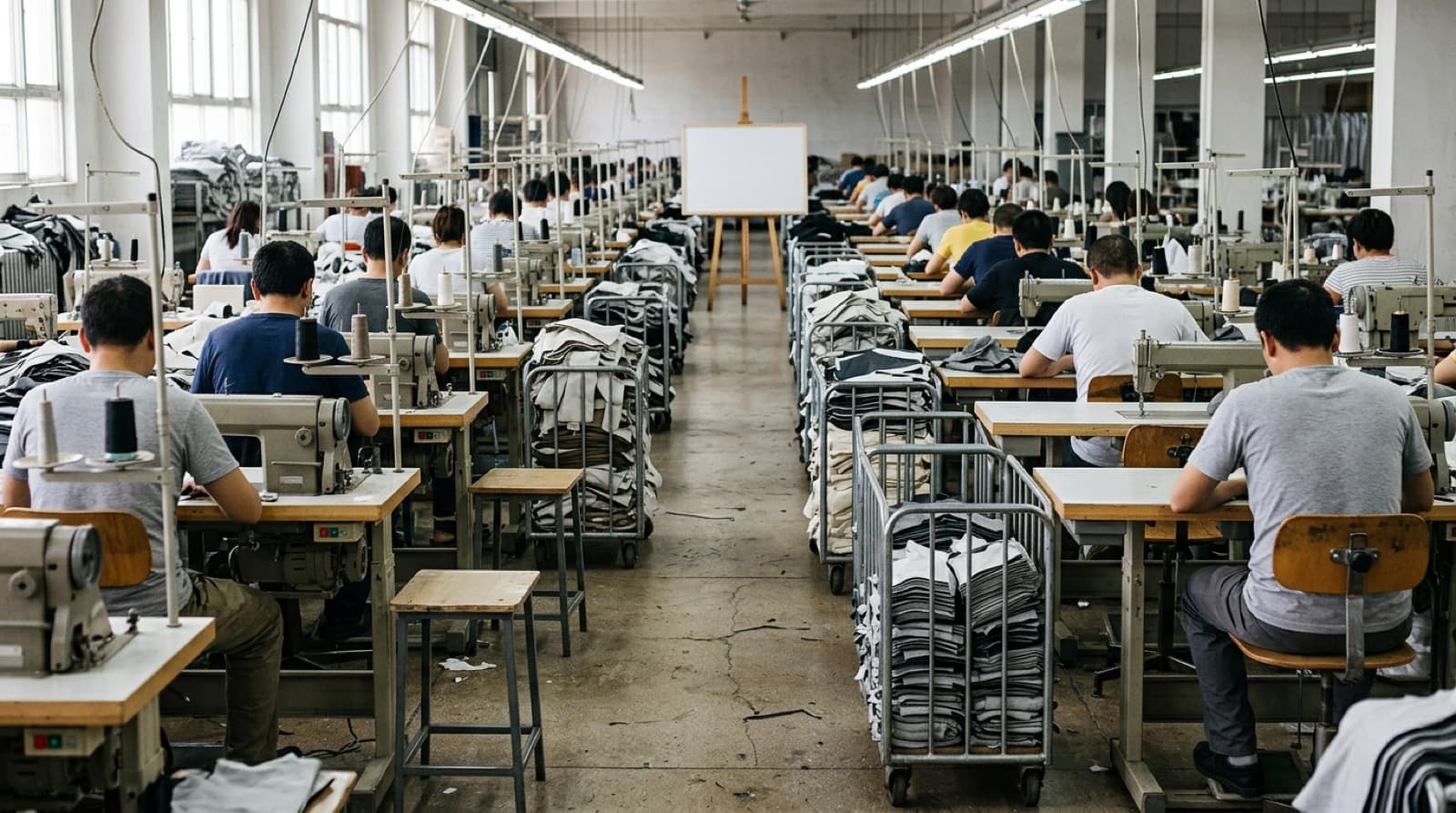
Myth or fact?
Myth: 100 percent efficiency is the goal.
Fact: Few lines sustain it. Many run between 50 and 70 percent; well-run lines on long runs of familiar styles go higher. A target the line can reach every day does more than one it never meets.
Myth: Efficiency is about how fast operators sew.
Fact: Most lost minutes are not slow sewing: waiting for cut work, machine breakdowns, style changes, rework and an unbalanced line. Fixing the flow usually gains more than pushing the pace.
Myth: A new style runs at full speed from day one.
Fact: Lines climb a learning curve. Output on a new style's first day is often well under target and rises over several days, which matters for lead times and for small orders.
1. The formula
Efficiency = (pieces made × SMV) ÷ (operators × minutes worked) × 100. Minutes produced are the standard minutes in the pieces that came off the line; minutes available are every operator's paid time on it.
Measure both the same way every day: count operators present, not on the roster, and decide whether helpers and checkers are in or out.
2. From efficiency to a target
The hourly target turns the formula around: operators × 60 × expected efficiency ÷ SMV. Forty operators on a 12-minute garment at 70 percent should make 140 pieces an hour. An hourly board, filled in each hour against that target, shows a problem while there is still time to act.
- Target an hour = operators × 60 × efficiency ÷ SMV
- Target a day = target an hour × working hours
- Check every hour, not at the end of the shift
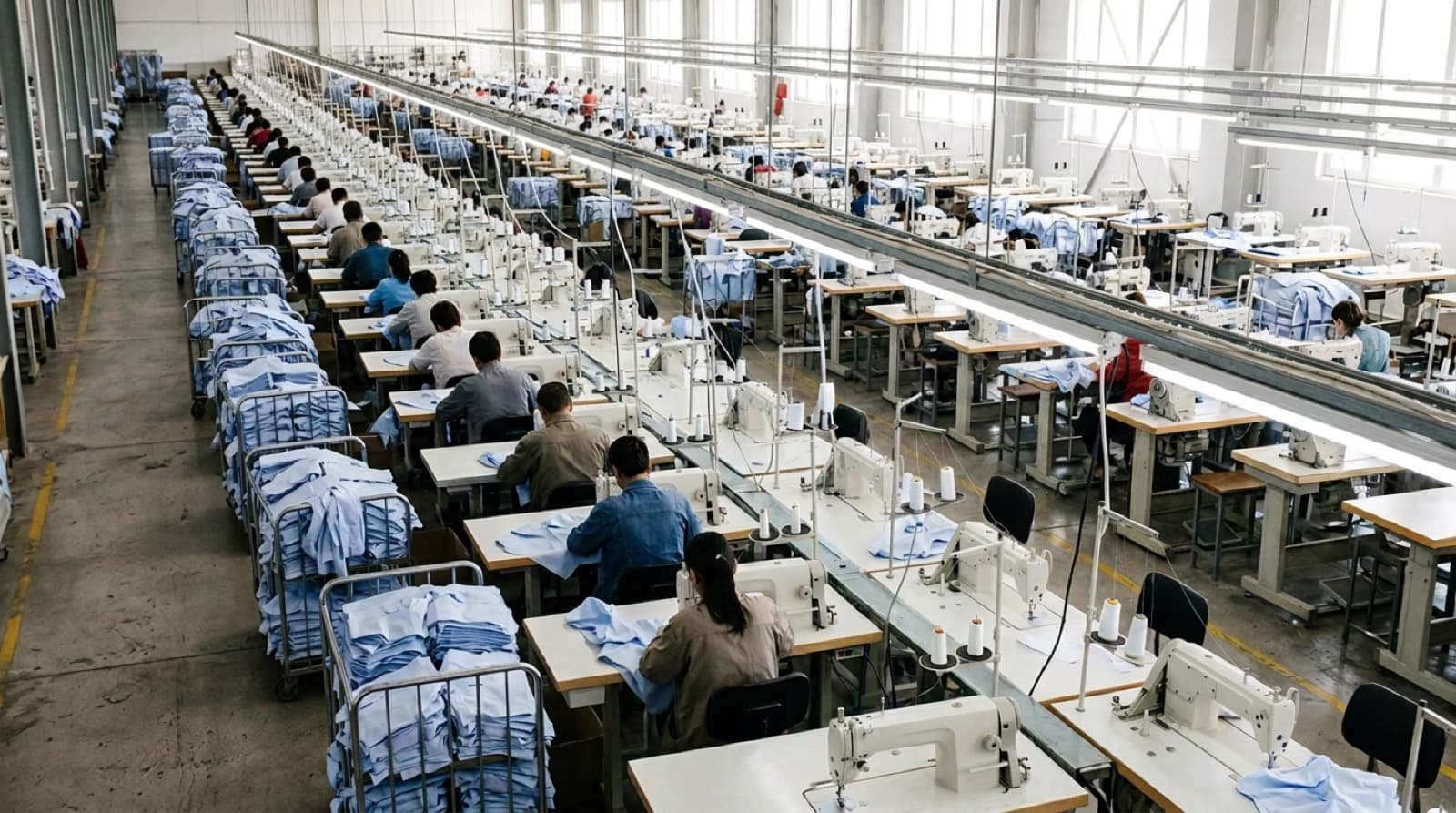
3. Where the minutes go
Lost time hides in the gaps: an operator waiting for a bundle, a machine down for repair, absent operators, a style change, pieces sent back for rework, or one overloaded operation that holds back everyone after it. Recording stoppages with their reasons shows which of these costs the most.
4. New styles and the learning curve
When a line starts a new style, its efficiency starts low and climbs as operators learn the operations. Planning should expect this: set lower targets for the first days, keep similar styles on the same line, and avoid changing styles more often than the order sizes need.
The words, in plain terms
- Line efficiency
- Standard minutes produced divided by minutes worked, as a percentage.
- Minutes produced
- Pieces made times the garment's SMV.
- Minutes available
- Operators present times the minutes they worked.
- Learning curve
- The climb in output as a line gets used to a new style.
- Hourly board
- Output each hour against target, kept at the line.
Work it out, free
On WOVENN
MAKEX
Output by hour and line against target, stoppages with their reasons, and what each order needs to make its date.
See MAKEXKeep reading
Garment manufacturing · Wovens · Costing
How a woven garment factory really works
From fabric inspection and cutting to sewing lines, finishing and the final audit: how shirts and trousers are made, and three myths about factory speed.
7 min read · 3 myths bustedRead
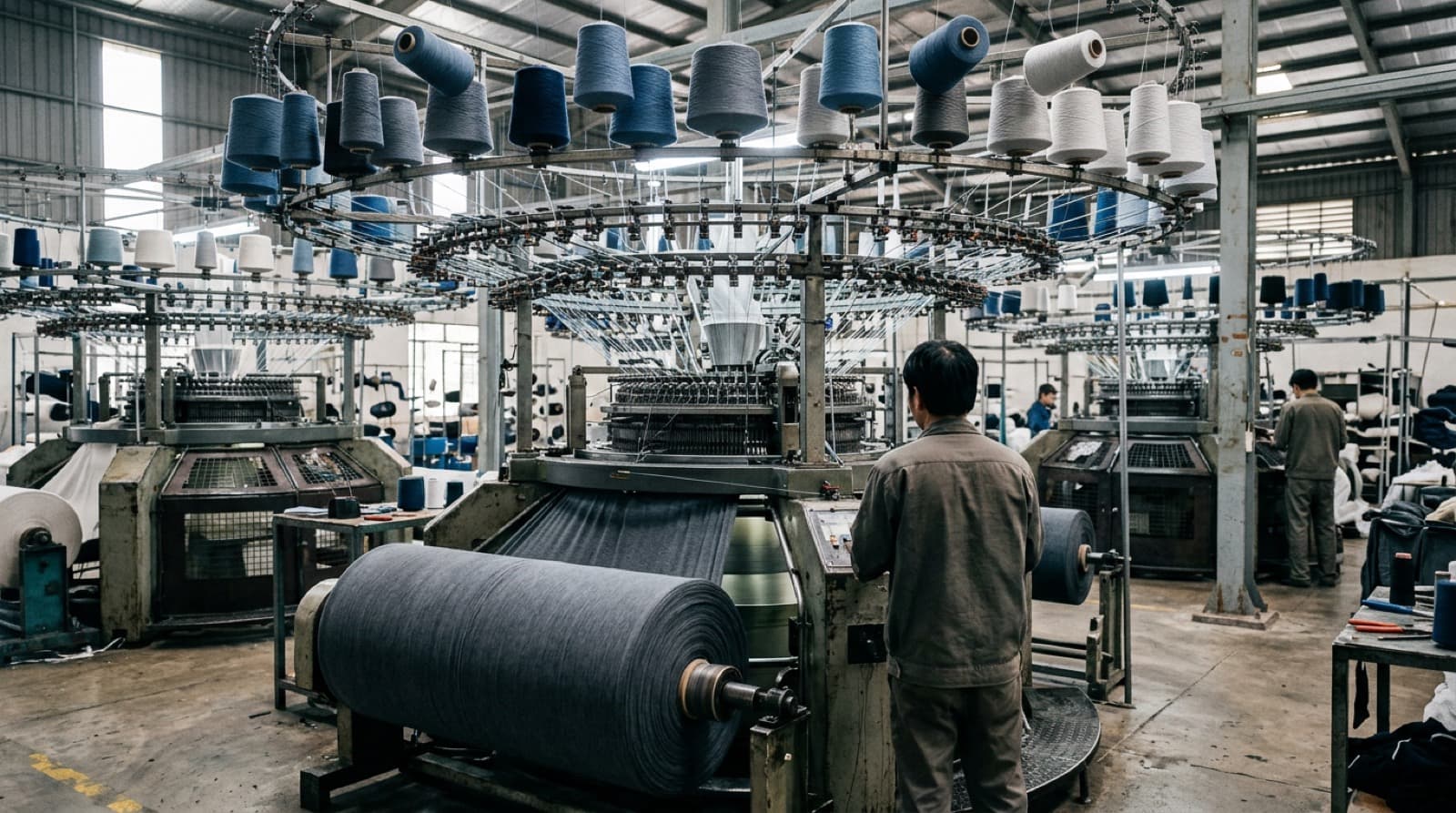
Garment manufacturing · Knits · Fabric and mills
How knit garments are made, from yarn to t-shirt
Circular knitting, dyeing, compacting, cutting and overlock sewing: how t-shirts, polos and sweatshirts are made, and why shrinkage and GSM are misunderstood.
7 min read · 3 myths bustedRead
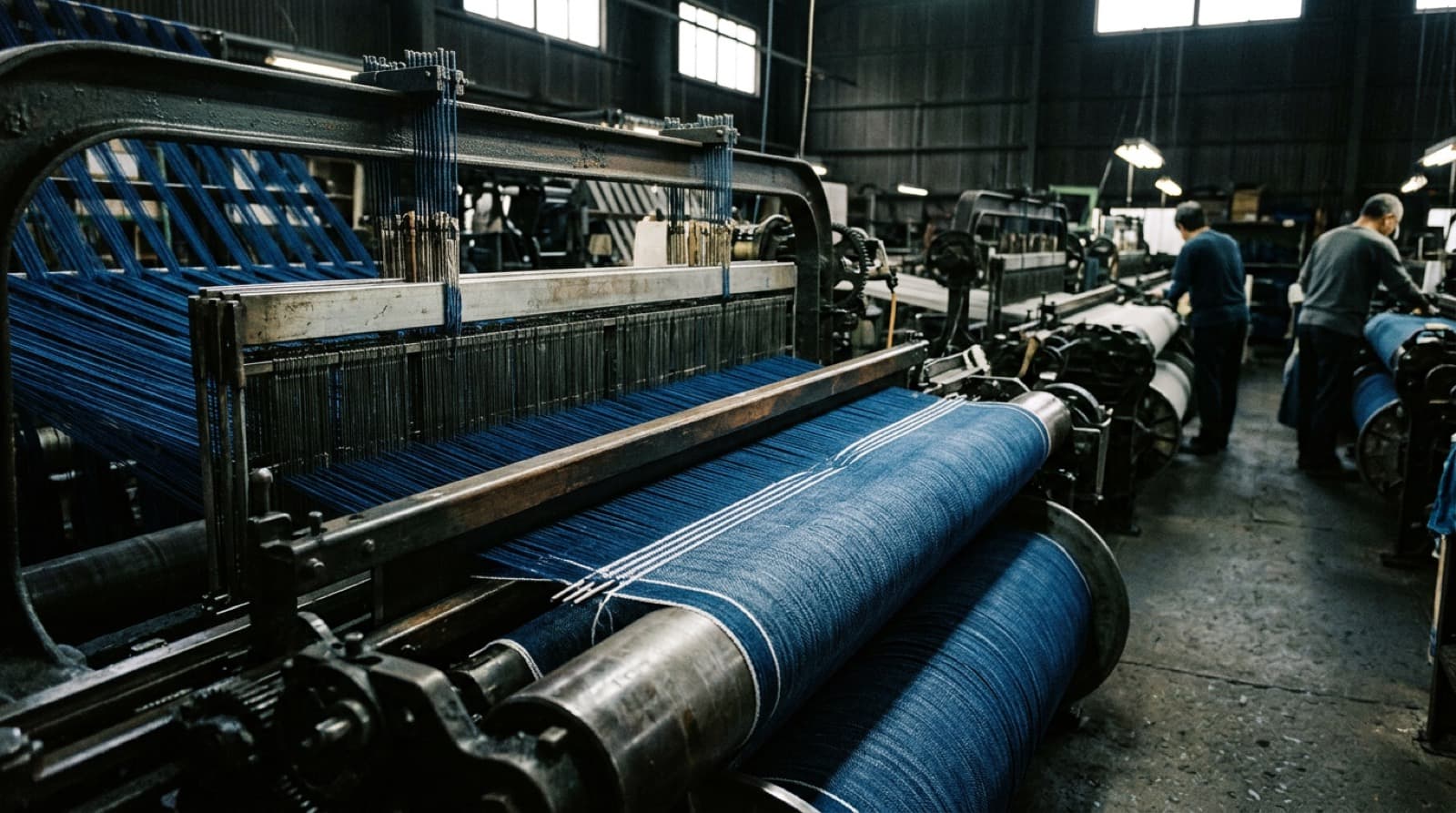
Denim · Garment manufacturing · Fabric and mills
How denim jeans are made: indigo, twill and the wash
Why indigo fades, what 3x1 twill and sanforizing mean, how jeans are sewn and washed, and the truth about stonewash, selvedge and raw denim.
8 min read · 3 myths bustedRead