

AQL inspection explained: what 2.5 really means
AQL inspection checks a random sample of a finished order instead of every piece. A standard table, ISO 2859-1, gives the sample size for the lot and how many faults the sample may hold before the lot fails.
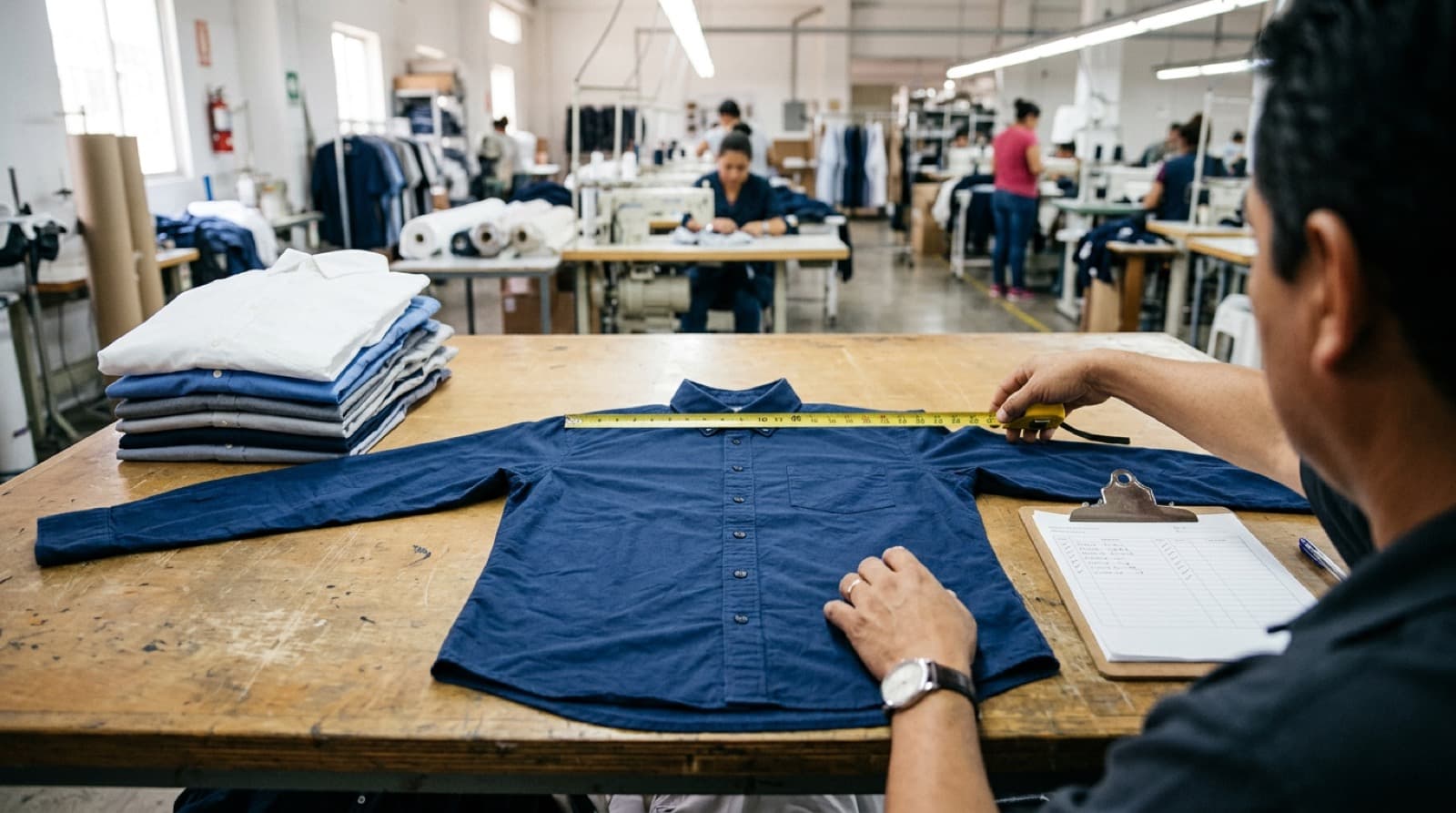
Myth or fact?
Myth: AQL 2.5 means 2.5 percent of the order may be faulty.
Fact: AQL is the worst average quality the sampling plan is designed to accept most of the time. The plan gives a sample size and an accept number, and a lot near that quality can still fail, while a worse one can sometimes pass.
Myth: If the sample passes, every piece is good.
Fact: Sampling always carries risk. A pass says the lot is probably at or better than the agreed quality, not that it is free of faults. Quality is built on the line; the final inspection only confirms it.
Myth: A bigger order needs a proportionally bigger sample.
Fact: Sample sizes grow far more slowly than lot sizes. At general level II, a lot of 2,400 pieces needs 125 checked, and a lot of 30,000 needs 315.
1. From lot size to sample size
The table starts with the lot size, the number of pieces offered for inspection, and an inspection level. General level II is the usual choice; level I checks fewer pieces and level III more. Lot size and level give a code letter, and the code letter gives the sample size.
2. Accept and reject numbers
Each fault is classed as critical (unsafe or against the law), major (likely to cause a return) or minor. Buyers set an AQL for each class; a common standard is zero for critical faults, 2.5 for major and 4.0 for minor. For the sample size, the table gives an accept number and a reject number: at 125 pieces and AQL 2.5, seven major faults or fewer pass, eight fail.
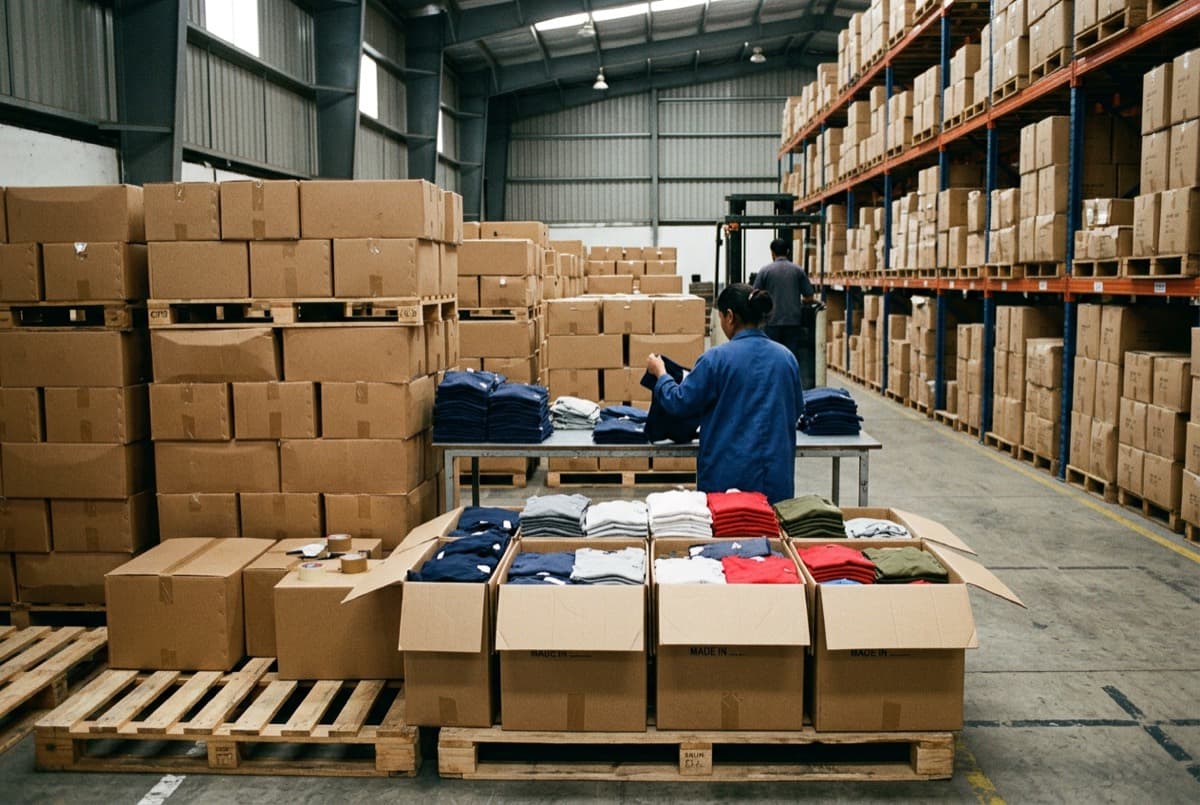
3. Drawing the sample
The sample is drawn at random from cartons across the whole lot, by size and colour in proportion to the order. Inspectors check workmanship, measurements against the size chart, labels, packing and carton marks, and run on-site tests such as a carton drop or a colour rub.
- Workmanship against the approved sample
- Measurements within tolerance
- Labels, tags and packing to the buyer's manual
- Carton count, marks and weights
4. When a lot fails
A failed lot is usually sorted or reworked by the factory and offered again, often under tightened inspection. A run of passes can move a supplier to reduced inspection. That switching between normal, tightened and reduced is part of the standard, and it rewards suppliers who build quality in.
The words, in plain terms
- AQL
- Acceptance quality limit: the worst process average the sampling plan is designed to accept.
- ISO 2859-1
- The international standard for sampling by attributes, the source of most garment AQL tables.
- Inspection level
- How much is checked for a lot size; general level II is the usual default.
- Code letter
- The letter the table gives for a lot size and level, which sets the sample size.
- Major fault
- A fault likely to make a customer return the garment, such as an open seam or a wrong size.
Work it out, free
On WOVENN
SHIPX
Inspections and lab tests through to the shipment, the documents and the store's receipt.
See SHIPXKeep reading
Garment manufacturing · Wovens · Costing
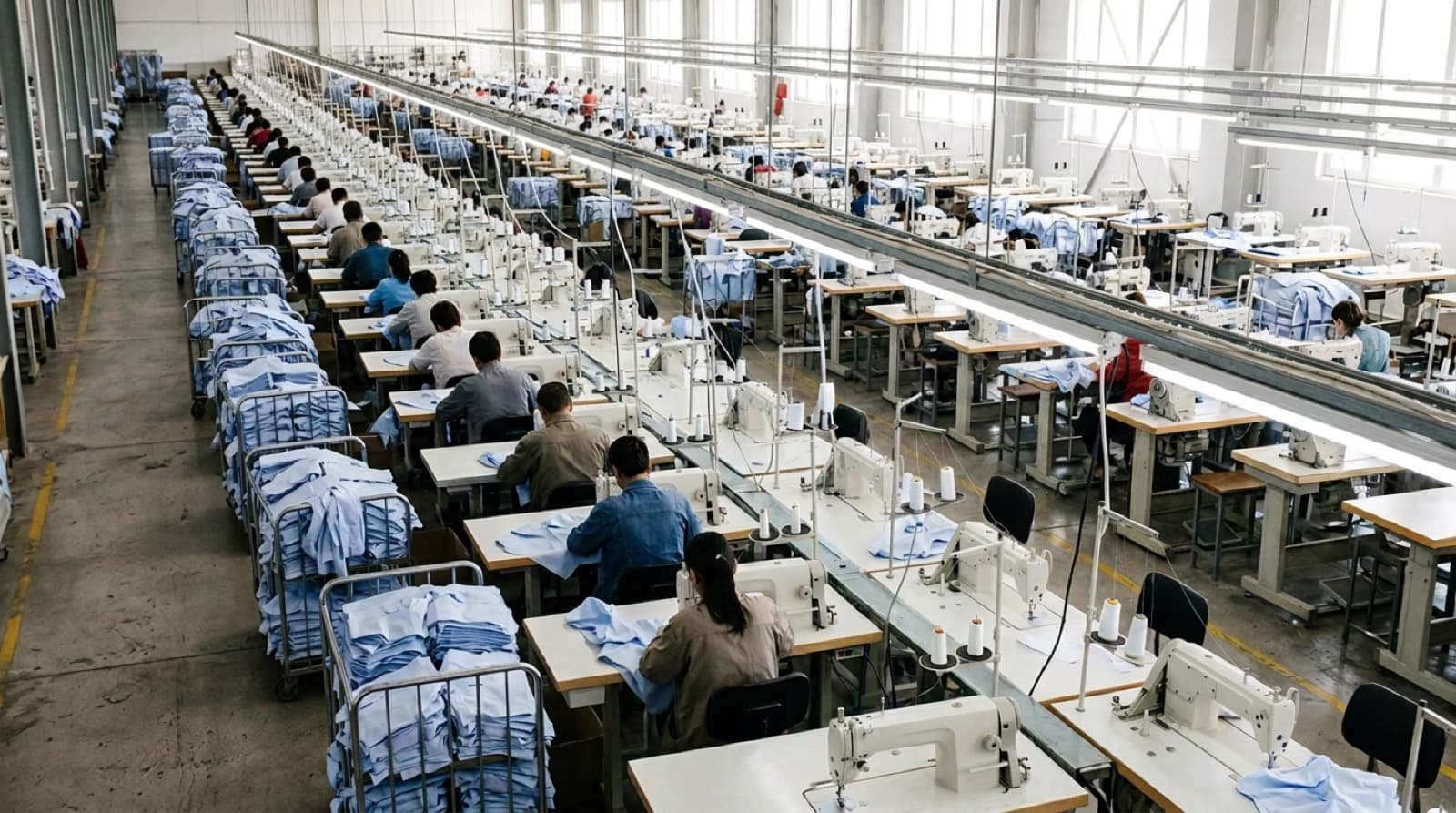
How a woven garment factory really works
From fabric inspection and cutting to sewing lines, finishing and the final audit: how shirts and trousers are made, and three myths about factory speed.
7 min read · 3 myths bustedRead
Garment manufacturing · Knits · Fabric and mills
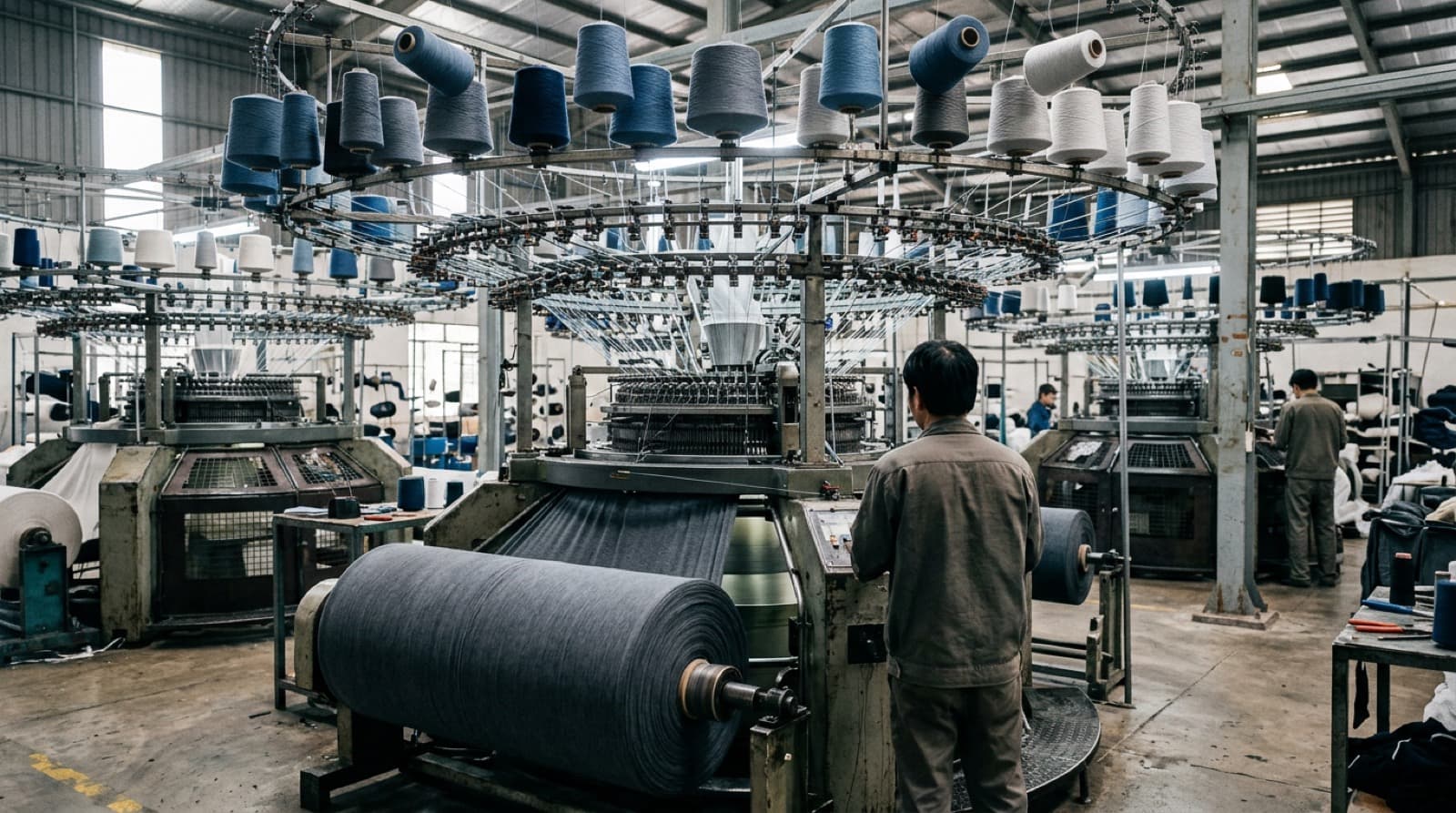
How knit garments are made, from yarn to t-shirt
Circular knitting, dyeing, compacting, cutting and overlock sewing: how t-shirts, polos and sweatshirts are made, and why shrinkage and GSM are misunderstood.
7 min read · 3 myths bustedRead
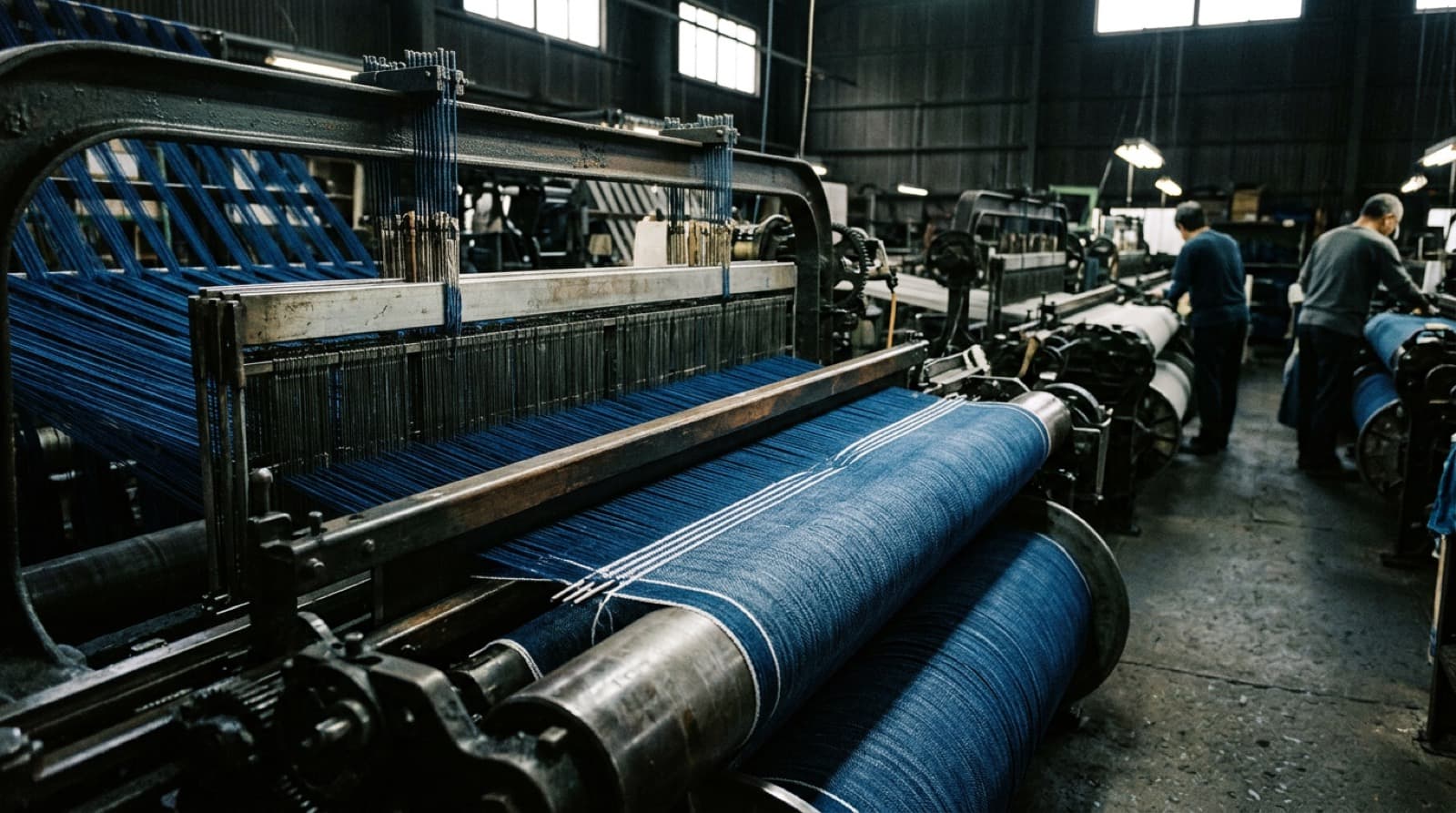
Denim · Garment manufacturing · Fabric and mills
How denim jeans are made: indigo, twill and the wash
Why indigo fades, what 3x1 twill and sanforizing mean, how jeans are sewn and washed, and the truth about stonewash, selvedge and raw denim.
8 min read · 3 myths bustedRead